
 See My Latest Article on HelloNation
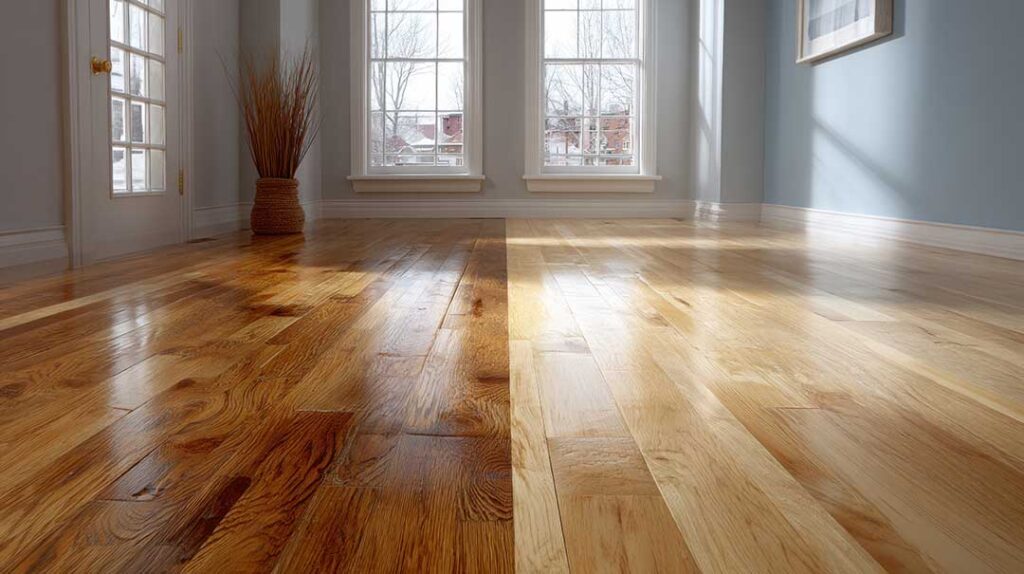
Renovating a home does not require choosing the most expensive flooring to achieve a durable, comfortable, and attractive result. The most budget-friendly approach is to match each flooring material to the room’s moisture level, traffic, maintenance needs, and expected lifespan.
For households in Lexington, SC, flooring decisions may also need to account for humid summers, tracked-in moisture, active family spaces, pets, and the mix of older homes and newer construction found throughout the community.
Which flooring materials usually offer the best value?
The best value depends on more than the purchase price. A low-cost floor may become expensive if it requires frequent repairs, special cleaning, or early replacement.
Common budget-conscious choices include:
- Luxury vinyl plank and tile
- Sheet vinyl
- Laminate flooring
- Carpet in selected rooms
- Refinishing existing hardwood
- Ceramic or porcelain tile for moisture-prone areas
Each option has different strengths. Vinyl is often practical for kitchens, bathrooms, laundry rooms, and entryways. Laminate can provide the appearance of wood at a lower initial cost, although it requires more care around standing water. Carpet remains useful in bedrooms and low-moisture living areas because it can be comfortable and less expensive than hard-surface flooring.
Is luxury vinyl flooring a good choice for a renovation budget?
Luxury vinyl plank and tile can be a strong budget choice because they combine moderate material costs with relatively simple maintenance. Many products are designed to resist surface moisture, scratches, and everyday wear.
Vinyl can work well in:
- Kitchens
- Hallways
- Mudrooms
- Bathrooms, when the selected product and installation method are suitable
- Family rooms and other high-use areas
The quality range is broad, so comparing only the price per square foot can be misleading. Thicker wear layers, stronger locking systems, and better subfloor preparation may increase the initial cost but improve long-term performance.
A common misconception is that every waterproof-rated product can tolerate any moisture problem. Flooring may resist spills while still being vulnerable to leaks beneath the surface, plumbing failures, or moisture rising from an unsuitable subfloor. Water resistance does not replace proper installation and leak prevention.
Can existing floors be reused or refinished?
Reusing an existing floor is often the least expensive renovation strategy. Hardwood may be refinished if it has sufficient remaining thickness and is not severely damaged. Existing tile may also remain in place if it is firmly bonded, reasonably level, and compatible with the new design.
Before covering an existing floor, check for:
- Soft or moving areas
- Water stains
- Mold-like odors
- Cracked or loose tile
- Uneven transitions
- Squeaks caused by the subfloor
- Previous moisture damage
Installing a new layer over a damaged base usually hides the problem rather than solving it. In some cases, repairing a small section or replacing a few damaged boards costs less than removing and rebuilding the entire floor.
Changing the finish can also make an older floor feel new. A lighter stain, low-sheen finish, or carefully selected paint color on nearby walls may provide a visual update without replacing sound flooring.
Where does sheet vinyl make the most sense?
Sheet vinyl is often overlooked because plank and tile products receive more attention, but it can be economical in rooms where moisture resistance and easy cleaning matter most. Because it has fewer seams than individual planks or tiles, it can reduce the number of places where spills may reach the subfloor.
It may be suitable for:
- Laundry rooms
- Small bathrooms
- Utility areas
- Older homes where a simple, resilient surface is needed
The subfloor must still be smooth and stable. Unevenness, protruding fasteners, or old adhesive ridges can show through the finished surface. Removal of older flooring may also require caution if the material or adhesive is unusually old and could contain hazardous substances. Testing and appropriate safety procedures may be necessary before disturbing questionable materials.
Is laminate flooring still a budget-friendly option?
Laminate flooring can deliver a wood-like appearance at a lower cost than many solid or engineered wood products. It is often considered for bedrooms, dining areas, offices, and living rooms where the risk of prolonged moisture is limited.
Laminate is most successful when:
- Spills are cleaned promptly
- The room does not experience recurring dampness
- Doorways and transitions are protected from tracked-in moisture
- The subfloor is properly leveled
- Expansion gaps are installed as required
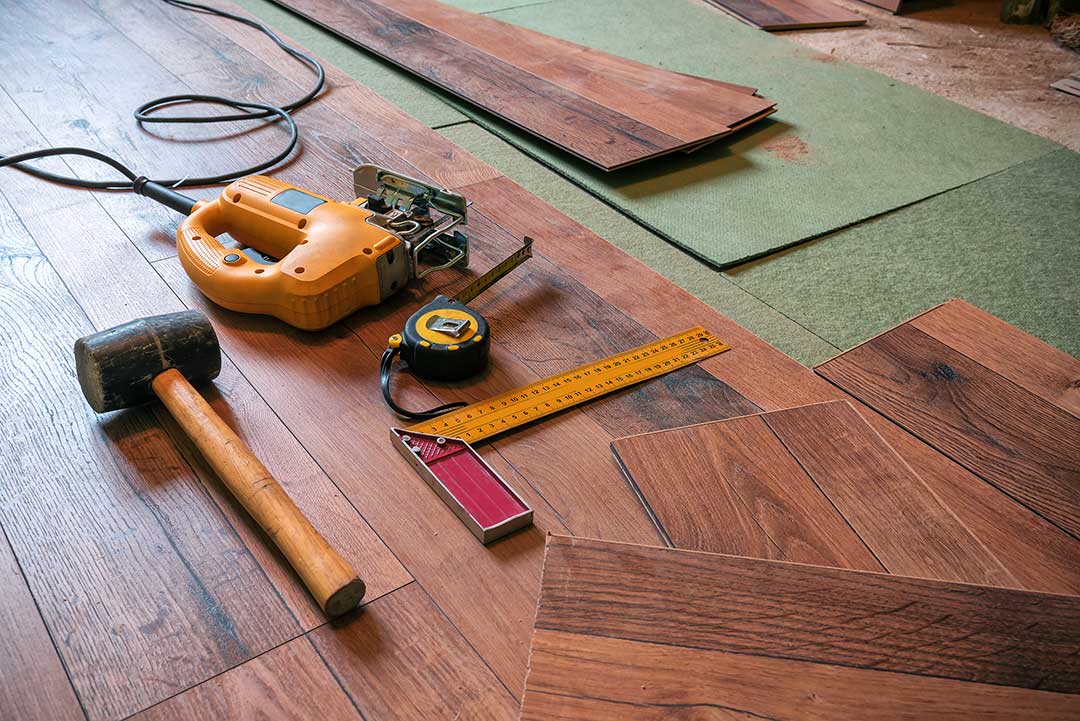
Laminate is not automatically a poor choice for a home with children or pets, but product specifications matter. Some surfaces resist scratches better than others, and replacement boards may not always be available years later. Keeping a small amount of extra material can make future repairs easier.
Where can carpet reduce renovation costs?
Carpet may be a cost-effective choice for bedrooms because it provides warmth, sound absorption, and underfoot comfort without requiring a separate area rug. It can also conceal minor visual imperfections in a subfloor better than thin hard-surface materials.
In a warm, humid climate, carpet performs best when the room is kept dry and adequately ventilated. It is less suitable for areas exposed to frequent tracked-in water, pet accidents, or plumbing leaks.
To control costs, homeowners may use carpet selectively rather than throughout the entire house. Hard-surface flooring can remain in entry areas and shared spaces, while carpet is reserved for bedrooms or a quiet upstairs room.
How can flooring costs be reduced without choosing the cheapest material?
The most reliable savings often come from reducing complexity rather than buying the lowest-grade flooring.
Useful strategies include:
- Use one or two flooring types throughout connected spaces to reduce transition pieces and waste.
- Choose standard plank lengths, common colors, and readily available product sizes.
- Measure carefully and account for cutting waste before ordering.
- Keep the existing layout when possible.
- Replace flooring only in rooms where wear, damage, or function justifies it.
- Compare total installed cost, not just material price.
- Plan the project so furniture moving, baseboard removal, and disposal are considered in advance.
- Purchase extra material for future repairs, especially if the product may be discontinued.
A visually simple design can also make a home feel more spacious. Fewer abrupt changes between rooms may create a more consistent appearance while limiting the number of materials required.
What flooring considerations are especially relevant in Lexington, SC?
Seasonal humidity and storm-related moisture can affect flooring performance. Entryways deserve particular attention because shoes, umbrellas, pets, and outdoor activity can carry water and grit indoors. A durable surface near exterior doors, combined with washable mats, can help protect more vulnerable flooring in adjacent rooms.
Older houses may have subfloors that are uneven, patched, or built with materials different from those used in newer construction. Homes with crawl spaces may also require attention to ventilation, drainage, and moisture conditions before new flooring is installed.
These conditions do not automatically rule out any particular material. They simply make subfloor inspection and moisture awareness more important. A floor that performs well in a dry bedroom may not be the right choice for a laundry area or frequently used entrance.
How should a homeowner compare flooring options?
A simple comparison can prevent many budget mistakes. For each room, consider:
- How much foot traffic it receives
- Whether water or dampness is common
- How often the floor will be cleaned
- Whether pets or young children use the space
- How long the renovation is expected to last
- Whether small sections can be repaired
- How the new floor will meet existing floors
- Whether the subfloor needs repair or leveling
The least expensive material is not always the least expensive project. A moderately priced floor installed over a sound, prepared base may perform better than a bargain product installed over moisture damage or uneven flooring.
For many renovations, the most practical plan is a combination: resilient flooring in moisture-prone and high-traffic areas, carpet in selected bedrooms, and refinished or preserved flooring wherever the existing surface remains structurally sound.