

 See My Latest Article on HelloNation

How Can Residents Prepare for Laminate Flooring Installation in Lexington, SC?
Preparing your home before starting a laminate flooring project makes installation smoother and helps achieve lasting results. Begin by removing all furniture, rugs, and breakable items from the work area. Sweep or vacuum thoroughly to get rid of dust and debris that could affect the flooring.
Moisture in Lexington, especially during humid summer months, can cause laminate to expand. Let the unopened flooring boxes sit in the installation room for at least 48 hours so the boards adapt to local temperature and humidity. This step, called acclimation, reduces the risk of future buckling or gaps.
Check the subfloor for flatness and cleanliness. Any bumps, dips, or leftover nails should be fixed or removed. If updating an older home in the city, keep in mind that uneven plywood or concrete surfaces are common—address these issues before laying new laminate.
What Tools and Materials Are Needed for a Successful DIY Installation?
Installing laminate flooring doesn’t require advanced tools, but some basics make the job easier and more precise.
Expect to use:
- Measuring tape and carpenter’s square for layout and straight cuts
- Utility knife and spacers for clean edges
- Jigsaw or circular saw for tricky cuts around doorways or vents
- Tapping block and pull bar to snugly fit boards together
- Rubber mallet to avoid damaging click-lock edges
- Underlayment, if your laminate doesn’t have it pre-attached
Lexington’s climate can encourage occasional subfloor moisture, especially in lower levels or near exterior walls. Consider a moisture barrier underlayment in these areas to help prevent future flooring issues.
Do Local Homes Need Special Consideration for Subfloors and Vapor Barriers?
Homes in Lexington feature a mix of concrete slabs and wood subfloors, often depending on age and neighborhood.
- On concrete: Always use a vapor barrier, even if the manufacturer claims the laminate is moisture-resistant. This extra step protects against humid weather and rare but potential water seepage, a concern in below-grade areas or basements.
- On wood: Inspect for squeaks and stability. Screw loose boards and fill dips with leveling compound for a quiet, solid result.
Older homes may have slightly unlevel surfaces, so taking time to check and address this before laying the first plank helps avoid boards separating later.
How Should Homeowners Plan the Flooring Layout?
Laying out the boards before installation avoids visual surprises. Start by calculating the room’s square footage plus about 10% extra for waste and cuts. Decide whether to lay the boards parallel to the longest wall or the primary light source—this usually looks best in Lexington’s open-concept living spaces.
Dry-fit the first few rows to plan for even-sized pieces at both starting and ending walls. Avoid seams that line up across multiple rows, as a staggered pattern creates a stronger, natural appearance.
For hallways or transitions between rooms, anticipate changes in direction or thresholds. Transition strips—especially between laminate and tile or carpet—create a smooth connection and prevent tripping.
What Are the Most Common Mistakes and How Can Local Residents Avoid Them?
Several common pitfalls can complicate DIY laminate installation, but they’re easy to avoid with a little preparation:
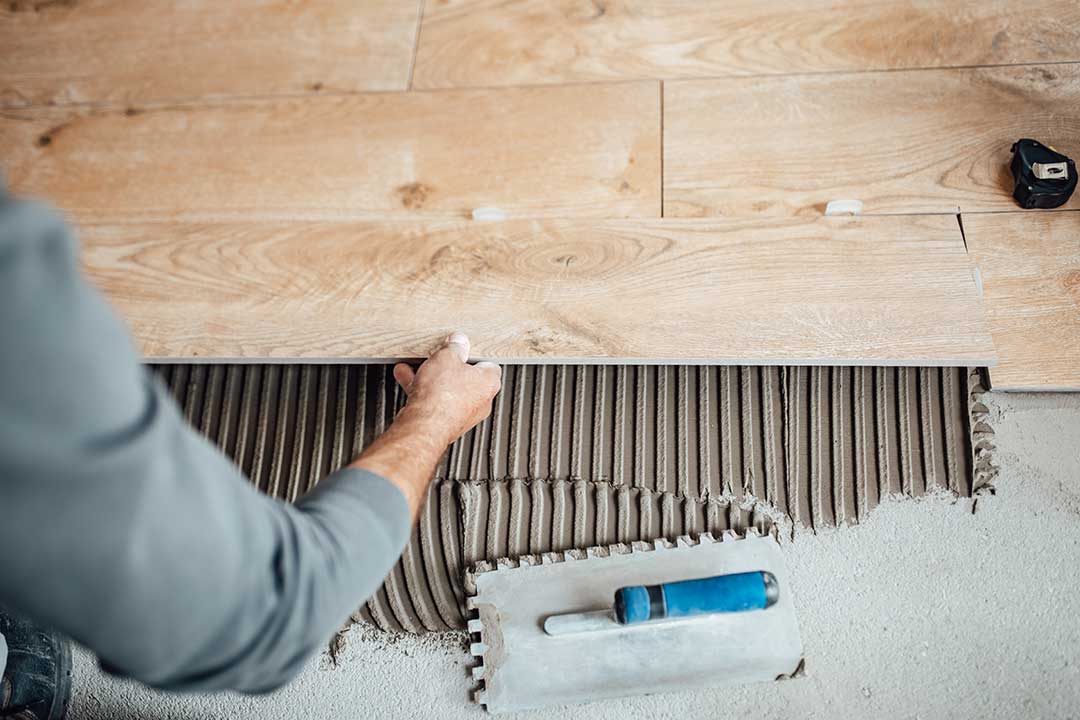
- Skipping acclimation: Rushing to install without allowing planks to adjust to Lexington’s indoor climate often leads to future warping.
- Failing to leave expansion gaps: Laminate requires about a quarter-inch gap at all walls and vertical obstructions to allow natural movement. Skirting, quarter round, or shoe molding will cover this space.
- Cutting corners on subfloor prep: Overlooking uneven areas or leaving debris risks a bouncy surface or leaks.
- Hammering boards together: Always use a tapping block to avoid damaging locking edges.
Take time at each step, double-check measurements, and keep an organized, clean work area.
How Should Edges, Doorways, and Transitions Be Handled?
Edges, doorways, and floor transitions require extra attention to look professional and prevent problems over time.
- Around door frames: For a streamlined fit, use a handsaw or oscillating tool to trim the bottom of the frame, allowing the board to slide underneath rather than cutting the laminate to fit around bulky shapes.
- At room edges: Use plastic or wood spacers to maintain the gap required for natural plank movement. Remember to remove the spacers before covering with trim.
- For transitions: Install a transition strip where laminate meets another type of flooring (such as carpet or tile). Follow manufacturer guidelines for both installation height and spacing.
Patience with these details ensures the finished project is even and free of awkward gaps.
What Should Be Done to Clean and Maintain Newly Installed Laminate Floors?
Laminate flooring is popular in Lexington for its durability and easy care, but basic maintenance protects the investment. Sweep or vacuum frequently to remove sand and grit, which can scratch the finish in homes located near the city’s outdoor spaces. Clean up spills quickly using a damp—not wet—cloth, since standing water can seep into seams and cause swelling.
Use felt pads under furniture legs and avoid dragging heavy furniture to reduce scuffs. Entry mats help keep dirt at bay, especially during wet seasons.
Avoid oil soap, wax, or other treatments not approved for laminate, as these can dull the finish and even void the manufacturer’s warranty.