
 See My Latest Article on HelloNation
Which Flooring Type Lasts Longer in Lexington, SC Homes?
Hardwood floors are generally known for their longevity, often lasting decades with proper maintenance, while laminate flooring tends to have a shorter lifespan due to its synthetic construction. In Lexington’s varied climate, hardwood floors may experience wear from humidity and temperature changes, but with care, many households have kept theirs beautiful for 50 years or more. Laminate flooring usually lasts 10-20 years before showing significant signs of wear, especially in busy households with pets or kids.
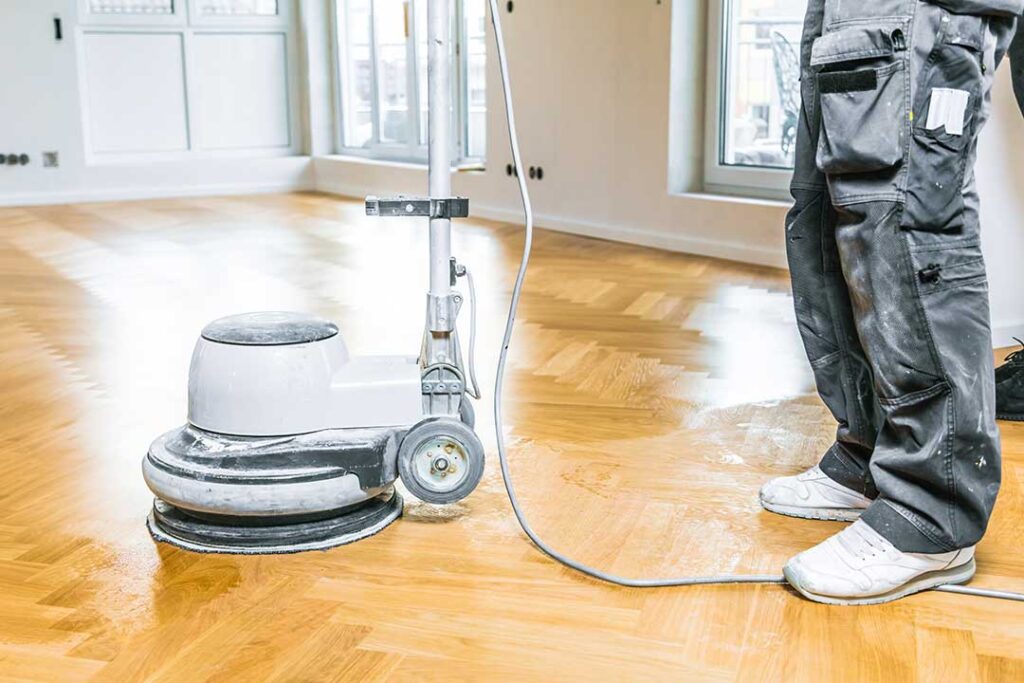
- Hardwood can be sanded and refinished several times, prolonging its life.
- Laminate cannot be sanded; damage typically requires replacing whole panels.
- Both flooring types can be impacted by heavy furniture, pet claws, and spills, but scratches on laminate are often less noticeable until deeper layers are exposed.
What Floors Offer Better Moisture Resistance for Local Conditions?
Laminate flooring handles humidity and moisture better than traditional hardwood, a consideration for the climate in Lexington. Laminate’s photographic layer is fused to a core board and coated with a wear layer, making it more resilient to minor spills, but it can still swell or warp if water soaks in.
- Hardwood is vulnerable to swelling, cupping, or gapping when exposed to excess water or high humidity.
- Laminate resists minor spills but is not waterproof; water left standing can seep between seams.
- Neither option is recommended for frequently damp areas like basements that may be prone to flooding.
Misconception: Many believe laminate is fully waterproof; in reality, only select specialty products offer true water resistance, and standard options should still be treated with care.
How Do Appearance and Style Options Compare?
Hardwood flooring offers natural variation, unique grain, and a classic look that appeals to many Lexington homeowners, especially in traditional or historic homes. Laminate flooring reproduces the look of wood using high-resolution images and can mimic many species and stain colors.
- Hardwood gains character with age and can be refinished to change color.
- Laminate provides more color and pattern consistency from plank to plank.
- Laminate designs are manufactured, so patterns may repeat noticeably in larger rooms.
Homeowners sometimes overlook how sunlight impacts finishes: hardwood can fade or darken depending on the species, while laminate is less likely to change color.
What’s the Difference in Maintenance Needs?
Both options are popular in Lexington because of their low maintenance requirements, but there are key differences:
- Hardwood requires periodic cleaning with products safe for wood, plus occasional refinishing to restore shine and fix surface wear.
- Laminate is easy to sweep or vacuum and can handle damp mopping, but abrasive pads and excessive water should be avoided.
- Spills on either surface should be wiped up promptly—standing liquid is the most common source of damage over time.
Practical tip: Area rugs or mats can help protect flooring in high-traffic entryways, especially during rainy springs or muddy autumns in local neighborhoods.
Which Floors Are More Comfortable for Local Lifestyles?
Solid hardwood feels warmer and “softer” underfoot and can be more comfortable in living spaces or bedrooms. Laminate tends to be installed over a foam underlayment that offers some cushioning, but it feels harder compared to wood.
- Residents with young children or older adults may appreciate the gentle feel of hardwood for playrooms or bedrooms.
- Laminate can be noisier underfoot unless additional underlayment or acoustic material is used.
- Both flooring types remain comfortable year-round, although hardwood may feel cooler to bare feet during Lexington’s winter months.
How Do Costs Compare for Families in the Community?
Initial installation costs are usually higher for hardwood than laminate. Hardwood’s price reflects the cost of natural materials and the labor required, while laminate is more affordable in both materials and installation, making it a budget-friendly solution for many local households.
- Installation of hardwood may also require acclimation time, which can add days to a project timeline.
- Laminate is often designed for quick installation, sometimes using a “click and lock” system.
- Repair or replacement costs differ: individual hardwood planks can be replaced and blended, while laminate repairs may involve larger sections.
Common misconception: Some expect laminate to always be the cheaper choice, but high-end laminate can overlap with lower-cost hardwood in price.
Are There Environmental or Health Considerations?
Residents concerned about sustainability will find differences between the two:
- Hardwood is a renewable material, and some floors use wood certified for responsible harvesting. Locally-sourced varieties may be available to reduce transportation impact.
- Laminate is often made from manufactured materials and may contain adhesives or resins that emit VOCs (volatile organic compounds). Recent advances have reduced emissions in many products, but checking for low-VOC certification is wise.
- Hardwood can be refinished multiple times, extending its usable life and reducing the need for full replacement.
Practical example: Families sensitive to dust or allergens may prefer hard flooring, as both hardwood and laminate are easier to clean compared to carpet, though hardwood’s natural finish can be less likely to trap dust than textured laminate.
Deciding What’s Right for Lexington Households
Choosing between hardwood and laminate depends on each household’s needs—considering pets, children, foot traffic, budget, and the level of each floor in the home. Hardwood adds traditional appeal and potential long-term value, while laminate offers durability and style at a lower price.
Neighbors sometimes overlook the impact that Lexington’s seasonal humidity, lifestyle factors (like sports equipment or gardening gear), and room purpose have on flooring longevity and performance. Thinking through these details makes it easier to pick the right floor for each specific space.