
 See My Latest Article on HelloNation
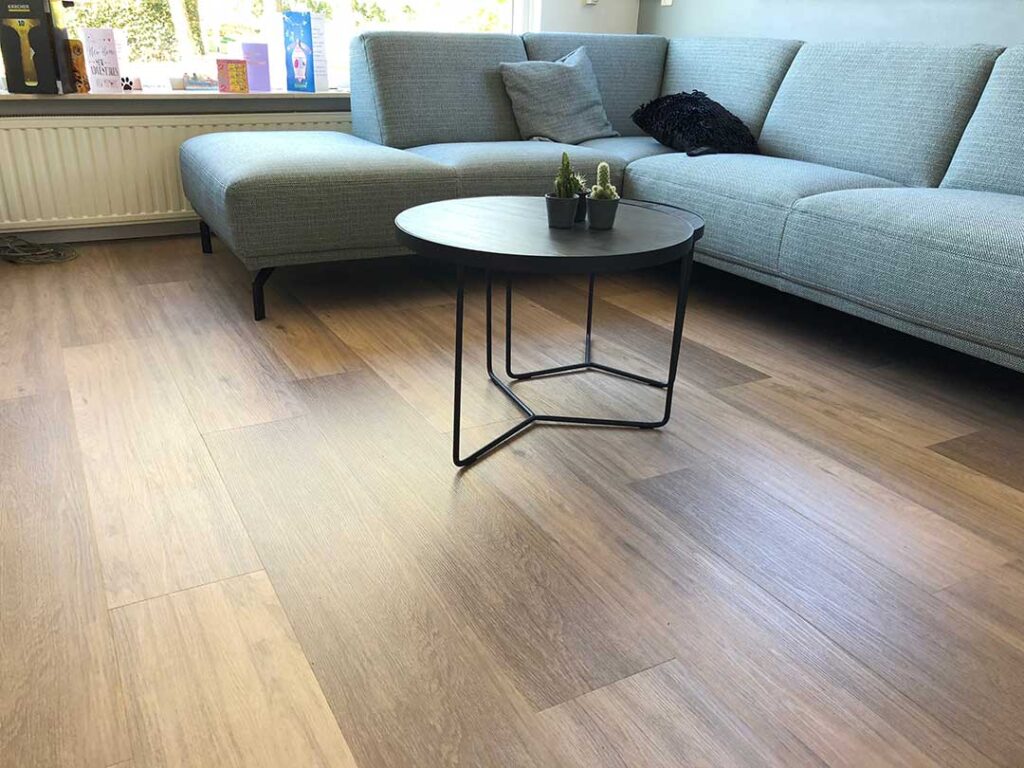
High-traffic flooring must withstand repeated walking, tracked-in grit, spills, furniture movement, and regular cleaning without becoming difficult to maintain. For most busy households, the strongest overall choices are porcelain tile, luxury vinyl flooring, and well-finished concrete, while laminate and engineered hardwood can work when their limitations are understood.
What makes a flooring material durable?
Durability is more than resistance to scratches. A floor in a busy area also needs to tolerate moisture, impact, staining, fading, cleaning products, and changes in indoor humidity.
The most useful durability factors include:
- Wear resistance: How well the surface handles repeated foot traffic and abrasion.
- Moisture tolerance: Whether water can damage the flooring, subfloor, or seams.
- Impact resistance: How well the material handles dropped objects, pet claws, and furniture legs.
- Maintenance requirements: Whether routine cleaning requires special products or frequent refinishing.
- Repairability: Whether a damaged section can be replaced without removing the entire floor.
- Installation quality: Whether the subfloor, seams, transitions, and edges are properly prepared.
A floor may be highly scratch-resistant but still perform poorly if water can seep through its joints. Likewise, a softer floor may remain attractive for years if it is easy to repair and properly maintained.
Is porcelain tile the most durable flooring for high-traffic areas?
Porcelain tile is among the most durable residential flooring materials, especially in entryways, kitchens, laundry rooms, hallways, and bathrooms. It resists scratching, staining, moisture, and heavy use better than most wood-based products.
Porcelain is fired at high temperatures and has a dense composition that limits water absorption. This makes it useful in areas where wet shoes, spills, or damp cleaning are common. It is also compatible with radiant heating systems when the installation is designed for that purpose.
Its main disadvantages are hardness and temperature. Dropped dishes are more likely to break on tile, and the surface can feel cold without area rugs or heating. Grout lines may also collect dirt if they are not cleaned and sealed as appropriate.
For households with children, pets, or frequent gatherings, larger tile formats can reduce the number of grout lines. However, larger pieces require a flat, stable subfloor to avoid cracking.
Why is luxury vinyl popular in busy households?
Luxury vinyl flooring offers a practical balance of durability, comfort, moisture resistance, and easier replacement. Quality products are designed to resist everyday scratches, stains, and moderate impact while providing a softer surface than ceramic or porcelain tile.
Water-resistant and waterproof are not identical terms. Some vinyl products tolerate surface moisture but can still allow water to reach the subfloor through seams or edges. Waterproof systems generally provide stronger protection, but their performance still depends on proper installation and a dry, reasonably level subfloor.
Luxury vinyl can be a good choice for:
- Main living areas
- Kitchens and dining spaces
- Hallways
- Mudrooms
- Homes with pets
- Areas where a quieter, warmer surface is preferred
The wear layer is an important specification. A thicker, well-made wear layer generally offers better protection against surface wear, but thickness alone does not guarantee quality. The locking system, backing, subfloor preparation, and transition details also affect long-term performance.
One common misconception is that vinyl flooring cannot be damaged. Sharp furniture feet, abrasive grit, dragging appliances, and prolonged exposure to standing water can still cause problems.
Does laminate flooring hold up in high-traffic spaces?
Laminate can perform well in living rooms, bedrooms, offices, and hallways when protected from excessive moisture. Its hard surface resists many everyday scratches and offers a wide range of wood-like appearances.
Traditional laminate is more vulnerable to water than porcelain tile or waterproof vinyl. Moisture that reaches the core through open seams, damaged edges, or repeated spills can cause swelling. Modern water-resistant laminate improves this limitation, but it should not automatically be treated as fully waterproof.
Laminate is most suitable where:
- Spills can be cleaned promptly
- Wet mopping is limited
- The subfloor is dry and level
- Heavy furniture will not be dragged across the surface
- The household prefers a firmer floor with a wood-style appearance
Entry areas deserve special attention. Grit carried indoors can act like sandpaper under shoes, so mats at exterior doors and regular sweeping are especially valuable.
Can hardwood be durable in a high-traffic home?
Hardwood can last for decades, but its durability depends on the species, finish, plank construction, and willingness to refinish the surface over time. It is not as moisture-tolerant as tile or waterproof vinyl, and it will show dents or wear sooner in heavily used zones.
Engineered hardwood is often more dimensionally stable than solid hardwood because of its layered construction. That can be helpful in a home exposed to seasonal humidity changes. However, engineered wood is not necessarily waterproof, and the thickness of its real wood wear layer determines whether it can be refinished.
Hardwood may be a reasonable choice for living areas and bedrooms, but homeowners should be cautious in laundry rooms, bathrooms, and entrances where wet footwear and spills are common. Felt pads, protective mats, and prompt cleanup are essential.
A surface that develops small scratches is not necessarily failing. Many wood floors are designed to develop a patina and can be renewed through professional refinishing when the construction allows it.
How does Lexington’s climate affect flooring choices?
Lexington experiences warm, humid conditions for much of the year, along with periods of heavy rain and seasonal changes in indoor moisture. Those conditions make moisture management particularly relevant near entrances, kitchens, laundry areas, and rooms connected to garages or outdoor spaces.
Practical considerations include:
- Choosing flooring rated for the room’s moisture exposure
- Using entry mats that capture grit and rainwater
- Keeping indoor humidity reasonably consistent
- Avoiding wet-mopping methods that leave standing water
- Checking that flooring transitions are protected from leaks
- Allowing new flooring materials to acclimate when required by the manufacturer
Homes with crawl spaces or moisture-prone subfloors need additional care. A durable surface cannot compensate for moisture rising from below, excessive subfloor movement, or unresolved leaks.
What flooring is best for pets and children?
For households with pets and children, luxury vinyl and porcelain tile are usually the easiest materials to maintain. Vinyl is more forgiving under dropped objects and tends to be quieter underfoot. Tile offers stronger resistance to scratches and stains but is harder and may be less comfortable for long periods of standing.
Surface texture also matters. Highly glossy floors can show dust, paw prints, and small scratches more clearly. Very deep textures can trap dirt and require more detailed cleaning. A moderate, low-gloss finish often provides a practical balance.
No flooring is completely resistant to pet accidents. Fast cleanup, properly fitted mats, and furniture pads have more effect on long-term appearance than many product features.
Which flooring requires the least maintenance?
Porcelain tile and luxury vinyl generally require the least specialized maintenance. Routine care usually involves dry removal of grit followed by cleaning with a product appropriate for the surface.
Avoid using steam cleaners, harsh abrasives, or waxes unless the flooring manufacturer specifically allows them. Excess water is a common cause of avoidable damage, particularly around seams, baseboards, and transitions.
A simple maintenance routine includes:
- Sweep or vacuum high-traffic areas frequently.
- Clean spills as soon as practical.
- Use mats at exterior doors.
- Add felt pads beneath movable furniture.
- Lift furniture instead of dragging it.
- Inspect flexible sealants and transitions periodically.
- Keep pet nails trimmed to reduce surface scratching.
What is the best overall choice?
For maximum resistance to moisture and wear, porcelain tile is difficult to surpass. For a warmer, quieter, and more forgiving surface throughout much of a home, quality luxury vinyl is often the most practical choice. Laminate and hardwood remain viable when their moisture limits and maintenance needs match the room.
The best decision depends on where the flooring will be installed, how much water and grit it will encounter, whether comfort matters, and how much maintenance the household is prepared to provide. A durable floor is not simply the hardest material; it is the material that fits the room’s conditions and continues performing under the household’s actual habits.