
 See My Latest Article on HelloNation
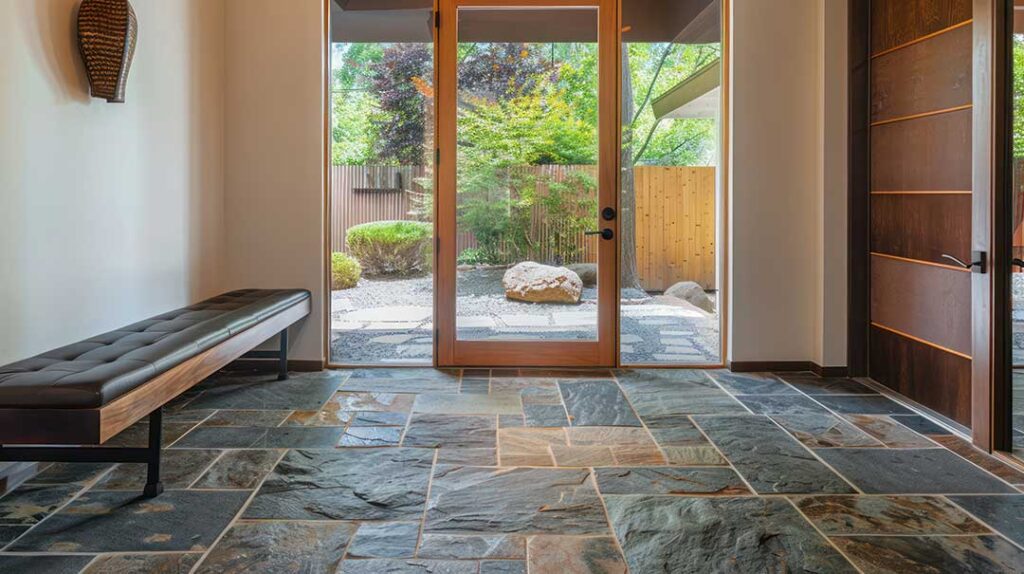
Kitchen flooring has to handle more than foot traffic. It may be exposed to spilled water, cooking grease, dropped dishes, muddy shoes, pet activity, and frequent cleaning. For most kitchens in Lexington, SC, the best choices are porcelain or ceramic tile, luxury vinyl flooring, sheet vinyl, and properly installed hardwood.
The right material depends on how much moisture the floor may encounter, how comfortable it feels underfoot, how much maintenance is acceptable, and whether the kitchen connects visually with nearby rooms.
What should kitchen flooring be able to handle?
The most suitable kitchen floors resist moisture, clean easily, and tolerate daily wear without becoming difficult to maintain. They should also provide a reasonably stable surface under cabinets and appliances.
Several practical factors matter:
- Water resistance around sinks, dishwashers, refrigerators, and back doors
- Resistance to stains from oil, sauces, and food preparation
- Surface texture that provides traction without trapping dirt
- Comfort for people who stand while cooking
- Compatibility with the existing subfloor
- Ease of replacing or repairing damaged sections
- Long-term appearance under sunlight and regular cleaning
Kitchens in the area may also experience seasonal humidity, tracked-in moisture, and temperature changes. Those conditions do not automatically rule out wood-based flooring, but they make installation quality and moisture control especially important.
Is luxury vinyl a good choice for a kitchen?
Luxury vinyl is a practical kitchen option because it is comfortable, relatively quiet, and available in plank and tile designs. Many products are waterproof at the flooring surface, but the exact protection depends on the product construction and how seams and edges are installed.
Luxury vinyl works well for households that want:
- A softer feel than ceramic tile
- Simple routine cleaning
- A wood or stone appearance
- Fewer concerns about dropped dishes cracking the floor
- A surface that extends into dining or living areas
“Waterproof” does not mean the entire floor system is protected from every leak. Water can still reach the subfloor through unsealed edges, damaged seams, appliance leaks, or standing water left in place. A leaking dishwasher or refrigerator should be addressed quickly regardless of the flooring material.
Pay attention to the wear layer, locking system or adhesive method, underlayment requirements, and manufacturer instructions. Thicker products are not automatically better if the subfloor is uneven or the installation method is unsuitable.
Are tile floors better for kitchens?
Porcelain and ceramic tile are among the most moisture-resistant kitchen flooring choices. They are hard, durable, and easy to clean when the grout is properly installed and maintained.
Porcelain tile is generally denser and less absorbent than standard ceramic tile. It can be a strong choice in areas where spills, tracked-in water, or frequent cleaning are common. Ceramic tile offers many of the same benefits and may provide more flexibility in size, color, and pattern.
Tile also has drawbacks:
- It can feel hard and cold during long periods of standing
- Dropped glass and dishes are more likely to break
- Grout lines require periodic cleaning
- Uneven subfloors can lead to cracked tile or loose sections
- Tile installation can raise the finished floor height, affecting doors and transitions
For better everyday comfort, some households use an anti-fatigue mat in the primary food preparation area. Mats should be kept clean and dry so moisture does not remain trapped against the floor.
Does hardwood work in a kitchen?
Hardwood can work well in a kitchen, particularly when the kitchen is part of an open floor plan. It creates a continuous appearance and can often be refinished rather than fully replaced if the surface becomes worn.
However, hardwood is not waterproof. Repeated exposure to standing water may cause boards to swell, cup, stain, or separate. Kitchens with hardwood require prompt cleanup around sinks, dishwashers, pet bowls, and exterior doors.
Engineered wood may offer more dimensional stability than solid wood because of its layered construction, but it still contains wood and should not be treated like tile or waterproof vinyl. The finish protects the surface; it does not make the flooring immune to leaks.
Hardwood is most suitable when:
- Spills are cleaned promptly
- Appliances are maintained to prevent leaks
- The subfloor is dry and level
- The kitchen does not routinely receive large amounts of tracked-in water
- The household accepts periodic maintenance
A kitchen with a history of plumbing leaks or frequent flooding may be better served by a non-wood surface.
Is laminate flooring suitable for a kitchen?
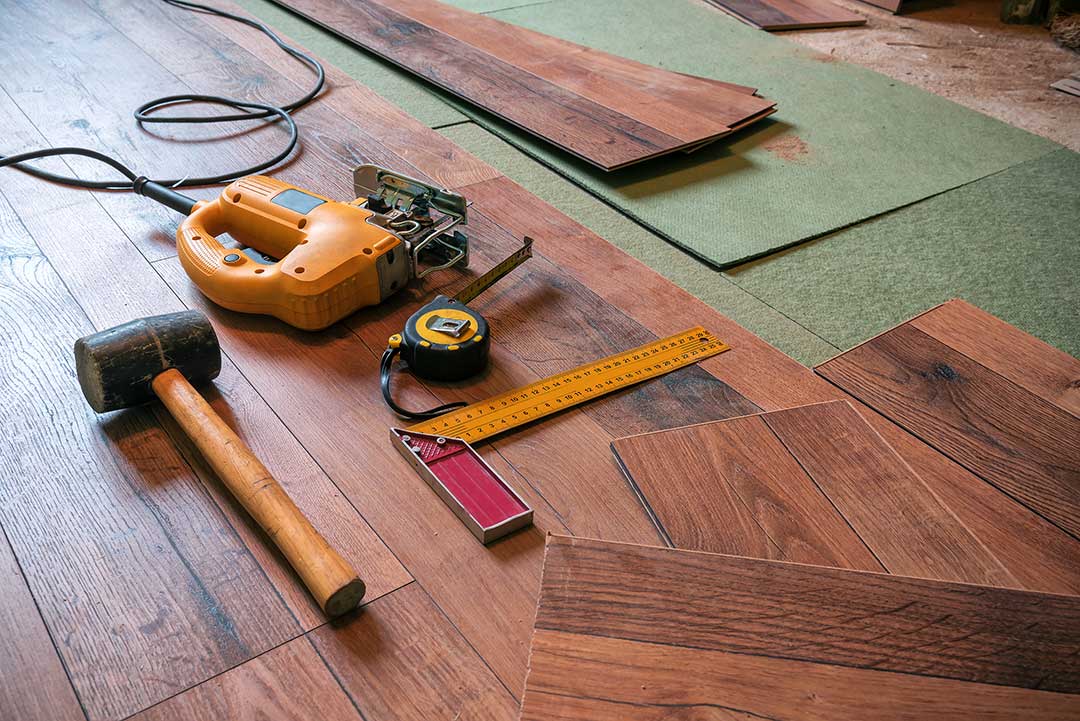
Laminate can provide a durable, attractive surface, but kitchen suitability varies greatly by product. Traditional laminate has a fiber-based core that may swell when water reaches the seams or edges.
Some newer laminate products have improved water resistance, but the protection period and installation requirements differ. A product may resist a short spill while still being vulnerable to a slow leak under a dishwasher.
Before choosing laminate, check:
- Whether the product is rated for kitchen use
- How long it can tolerate surface moisture
- Whether the seams require special treatment
- Whether the warranty excludes appliance leaks or standing water
- How damaged planks can be replaced
Laminate may be reasonable in a low-spill kitchen with careful maintenance, but it generally requires more attention to water exposure than tile or sheet vinyl.
What about sheet vinyl?
Sheet vinyl remains one of the most moisture-tolerant and budget-conscious kitchen flooring choices. Because it has fewer seams than plank or tile products, it can reduce pathways for water to reach the subfloor.
It is also comfortable, easy to sweep and mop, and available in patterns that resemble tile or wood. Its main limitations include possible tearing from sharp objects, visible damage from heavy furniture or appliances, and the difficulty of repairing a damaged section without noticeable variation.
Sheet vinyl is especially practical for kitchens where easy cleaning and moisture resistance matter more than a natural-material appearance.
Which kitchen flooring is easiest to maintain?
The easiest materials to maintain are usually sheet vinyl, luxury vinyl, and tile. Hardwood requires more caution with moisture, while laminate maintenance depends heavily on its water-resistance rating and seam protection.
Most kitchen floors benefit from the same basic habits:
- Wipe spills instead of allowing them to dry
- Use protective pads under movable furniture
- Sweep or vacuum grit that can scratch the finish
- Avoid soaking wood-based flooring during mopping
- Check around the dishwasher and refrigerator for slow leaks
- Use cleaning products recommended for the specific flooring
- Keep entry mats clean so grit and moisture are not ground into the surface
Steam mops should not be assumed safe for every floor. Heat and moisture can damage some adhesives, finishes, seams, and wood-based cores.
What is the best overall choice?
For many households, luxury vinyl offers the most balanced combination of moisture resistance, comfort, maintenance, and design flexibility. Porcelain or ceramic tile is often the strongest choice for maximum durability and water resistance, especially when the subfloor is suitable and the household is comfortable with a harder surface.
Sheet vinyl is a practical choice for simple maintenance and fewer seams. Hardwood can be appropriate when appearance and continuity with adjoining rooms are priorities, provided leaks are controlled and spills are handled quickly.
The best kitchen floor is not determined by appearance alone. The most reliable choice matches the household’s habits, the kitchen’s moisture exposure, the condition of the subfloor, and the amount of maintenance the residents are willing to perform.